
Our Programs
Bridging Gaps, Altering lives
A HOLISTIC APPROACH.
INARA works with children facing complex, overlapping vulnerabilities: injury, trauma, disability, and exclusion from essential services. These needs are rarely separate, so our response is not separate either. Our teams combine medical treatment, mental health and psychosocial support (MHPSS), and coordinated case management, so that each child is followed and supported well beyond the acute phase of a crisis.
Our programs fall into four areas, supported by livelihood and WASH interventions that strengthen the conditions children return to.
A child who survives a crisis has taken the first step. What follows decides whether they recover. A wound may heal while the fear remains. A child may be safe but out of school, or fed but still living in a household that cannot cope. For this reason, INARA designs its work around the whole child and the family around them.


Medical and Rehabilitative Care
What we do
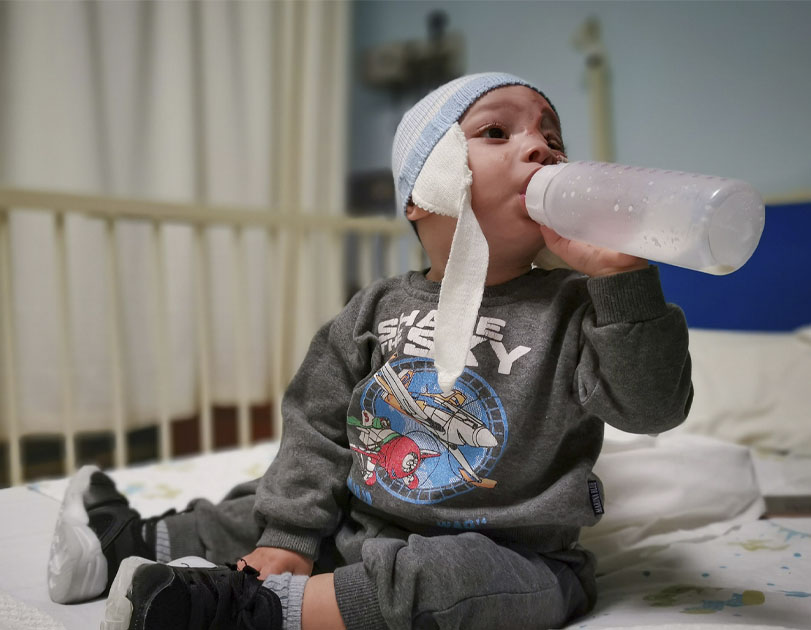
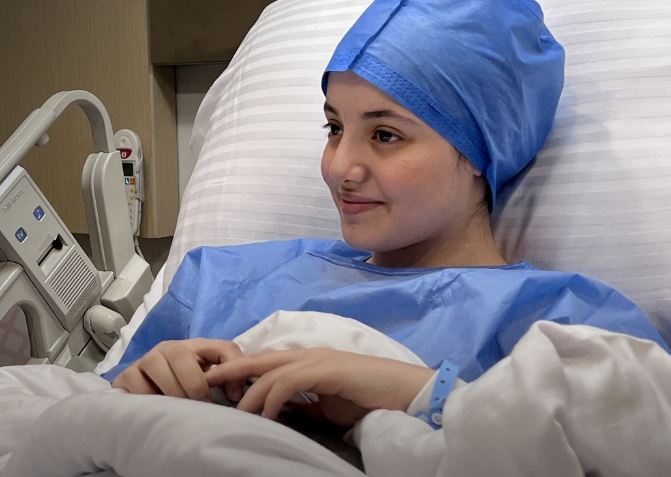
We provide specialized treatment, long-term follow-up and comprehensive rehabilitative care for children who have been injured or are living with disability.
Why it matters
Emergency treatment saves a life, but it rarely completes the recovery. A child with a serious injury may need repeated procedures, physiotherapy, assistive support and monitoring as they grow. Without these, a treatable injury can become a permanent disability, and a disability can become a reason for a child to be left out of school, play and community life. Children in displacement often lose access to health systems exactly when they need them most, and families cannot always bear the cost or the distance of ongoing care.
How we approach it
- Specialized treatment so that children receive care matched to their specific injury or condition, rather than only basic stabilization.
- Long-term follow-up because a child’s body changes as they grow, and recovery has to be tracked over months and years.
- Rehabilitative care to restore mobility, function and independence, and to help each child take part in daily life again.
- Coordinated case management so that medical care is linked to psychosocial and educational support, and no child falls between services.
Mental Health and Psychosocial Support (MHPSS)
What we do
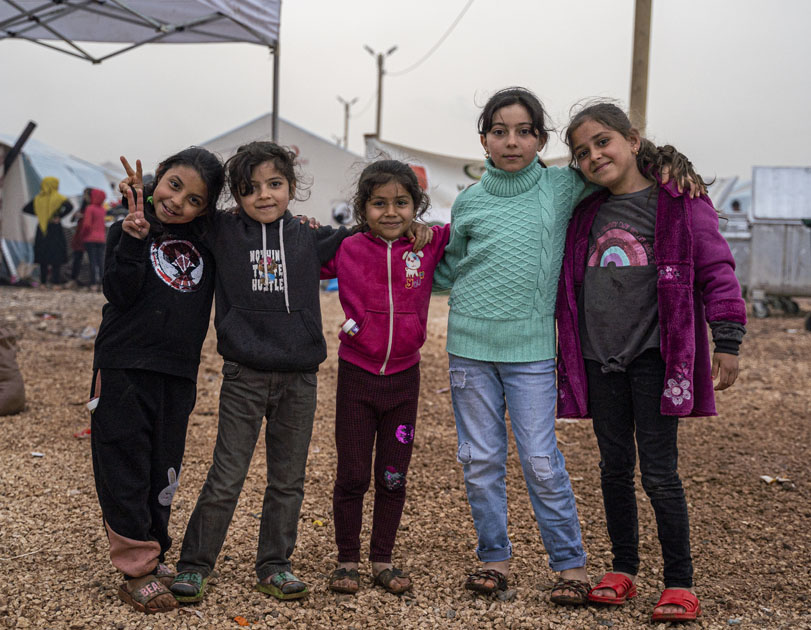
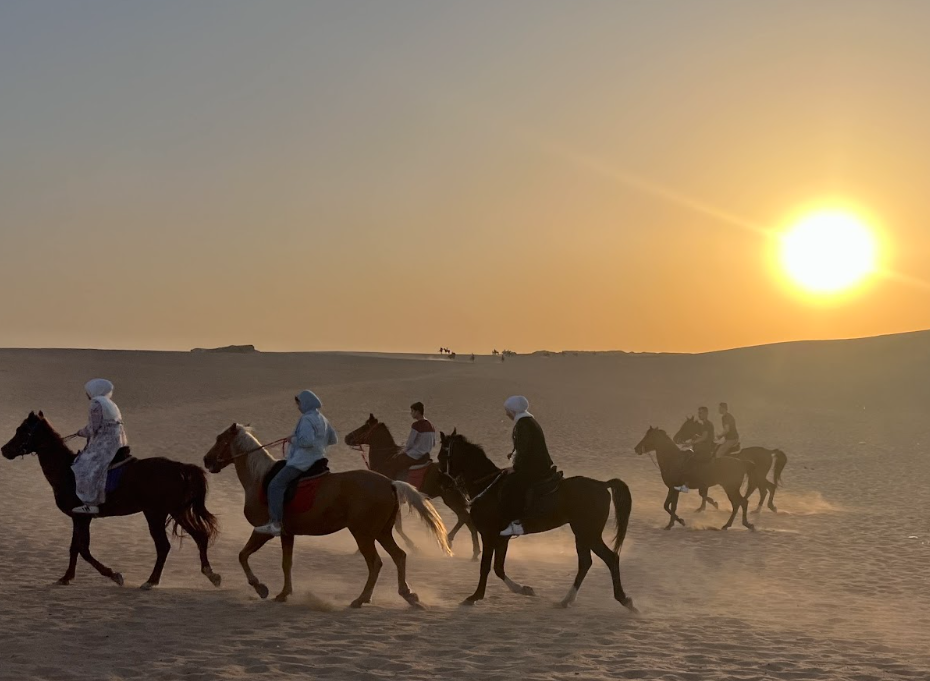
We offer trauma-informed, community-based mental health and psychosocial support for children and families in our areas of operation. Our services include tailored mental health sessions led by professionals, play therapy, art therapy and other creative approaches, including equine therapy, as well as dedicated sessions for caregivers.
Why it matters
Many of the children we meet have lived through violence, loss, displacement or injury. Their distress is often expressed through behavior, withdrawal, sleep difficulties or fear, and not always through words. Young children in particular may not yet have the language to describe what happened to them. Left unaddressed, unresolved trauma can affect learning, relationships and health for years.
How we approach it
- Play and art therapy. A case by case approach in which children are admitted into sessions and programs lead by psychologists and psychotherapists aiming to provide a proper diagnostic and therapeutic path for them
- Play and art therapy. For a child, play is the natural way to process experience. These methods let children express feelings and memories safely, at their own pace, without needing to explain them.
- Equine therapy. Working alongside horses can help children rebuild trust, regulate emotions and regain a sense of calm and confidence. For children who have found other approaches difficult, a creative and non-verbal option can open a door.
- Support for caregivers. A child heals best in a calm, supportive environment, and caregivers are often carrying their own grief, stress and exhaustion. By supporting parents and carers directly, we strengthen the adults a child relies on every day, and we make the child’s progress more likely to last.
- Community-based delivery. Bringing services close to where families live reduces barriers of cost, distance and stigma, and keeps care within reach for the people who most need it.
Education in Emergencies (EiE)
What we do
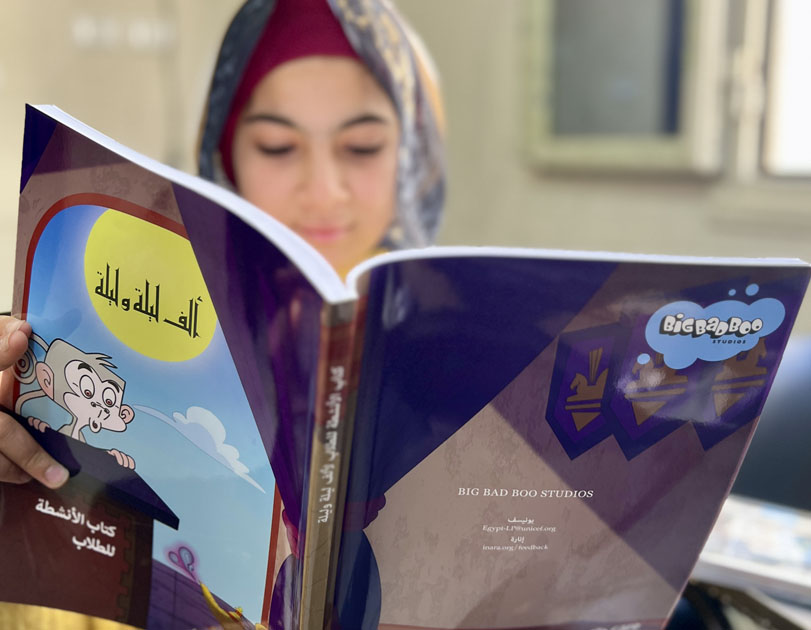
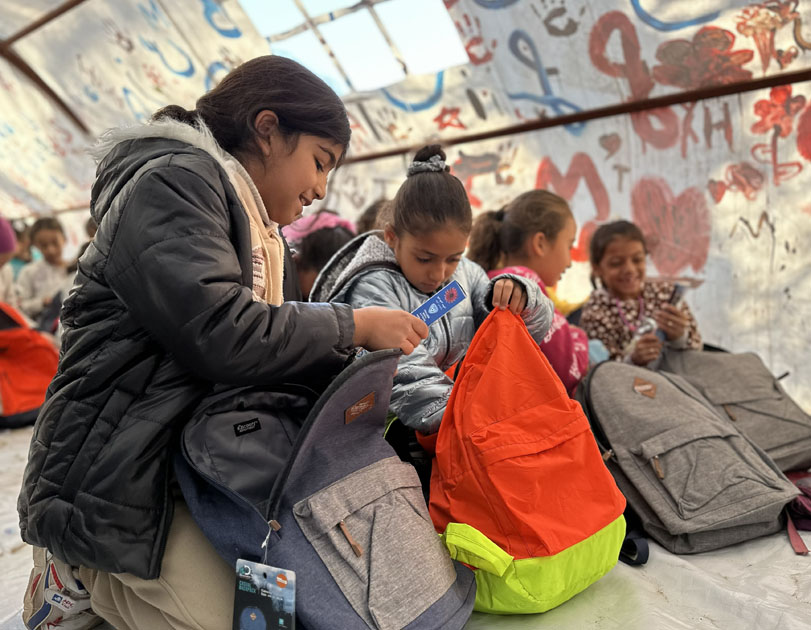
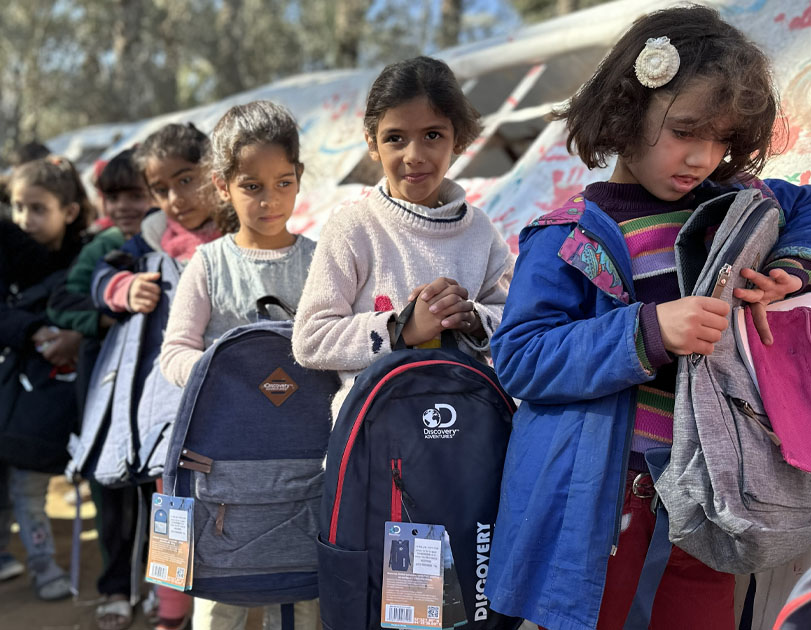
We create safe, inclusive learning environments that restore routine, stability and a sense of future. Our informal education is tailored to follow the approach and content of the original curriculum of the children’s country of origin, so that they are prepared to return to formal education. In certain countries and contexts, we also provide cash assistance to orphaned and widow-headed households so that children do not have to leave school.
Why it matters
For displaced children, schooling is often interrupted for months or years. Every month out of school widens the gap, and the longer it lasts, the harder it is to return. School is also more than lessons: it gives children structure, friendship, safety and hope at a time when everything else has been disrupted. Children with disabilities or those from the poorest households are the most likely to be excluded, which is why inclusion is built into our learning spaces from the start.
How we approach it
- Safe, inclusive learning spaces where every child, including children with injuries or disabilities, can take part.
- Curriculum-aligned informal education so that children keep pace with what they would have been learning at home and can re-enter formal schooling without starting from zero.
- Cash assistance for orphaned and widow-headed households. When a family loses its main earner, children are often the first to be taken out of school to work or to ease costs. Targeted support removes that pressure and keeps education as a priority. (Provided in selected countries and contexts.)
Emergency Rapid Response
What we do
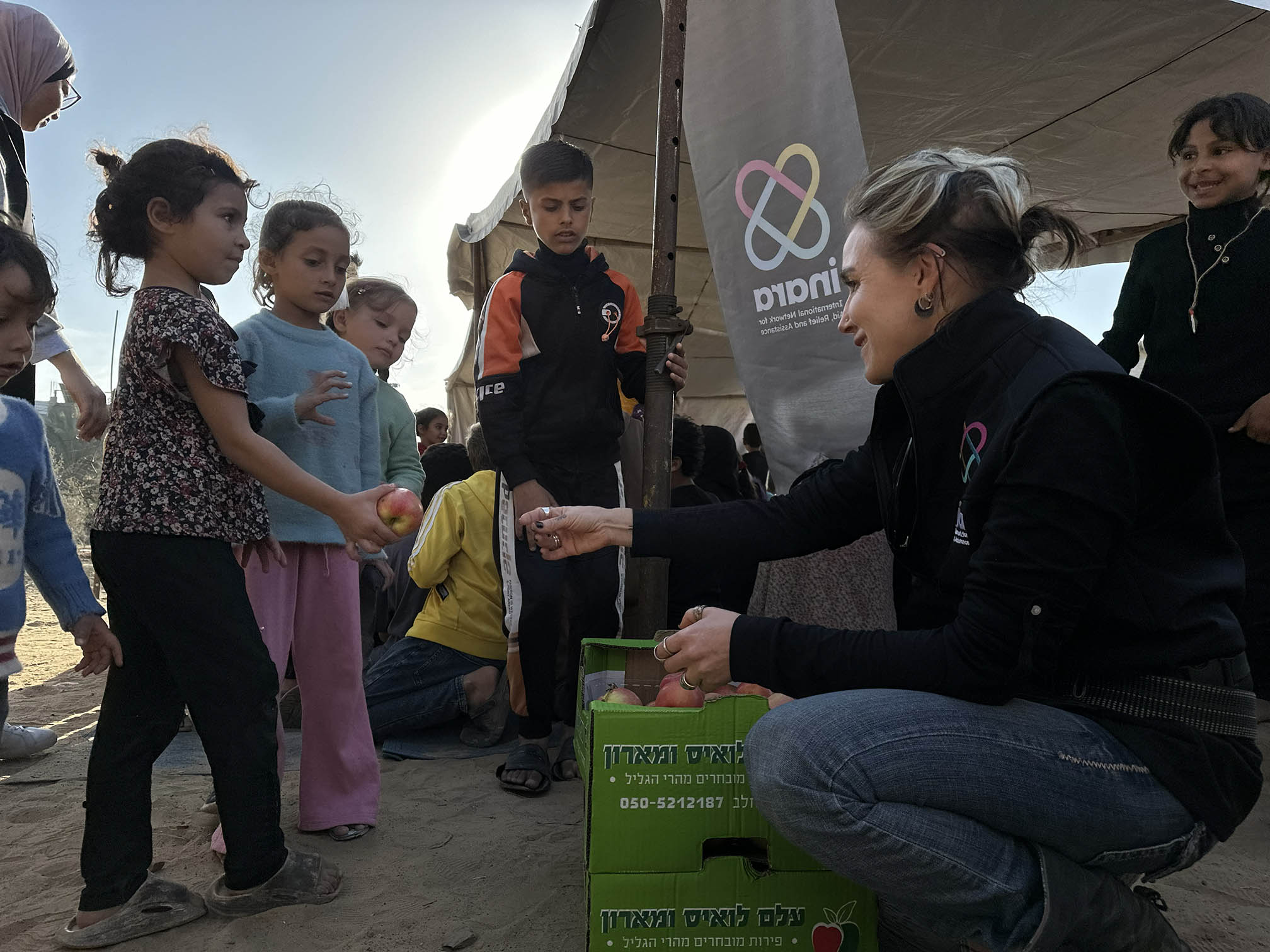
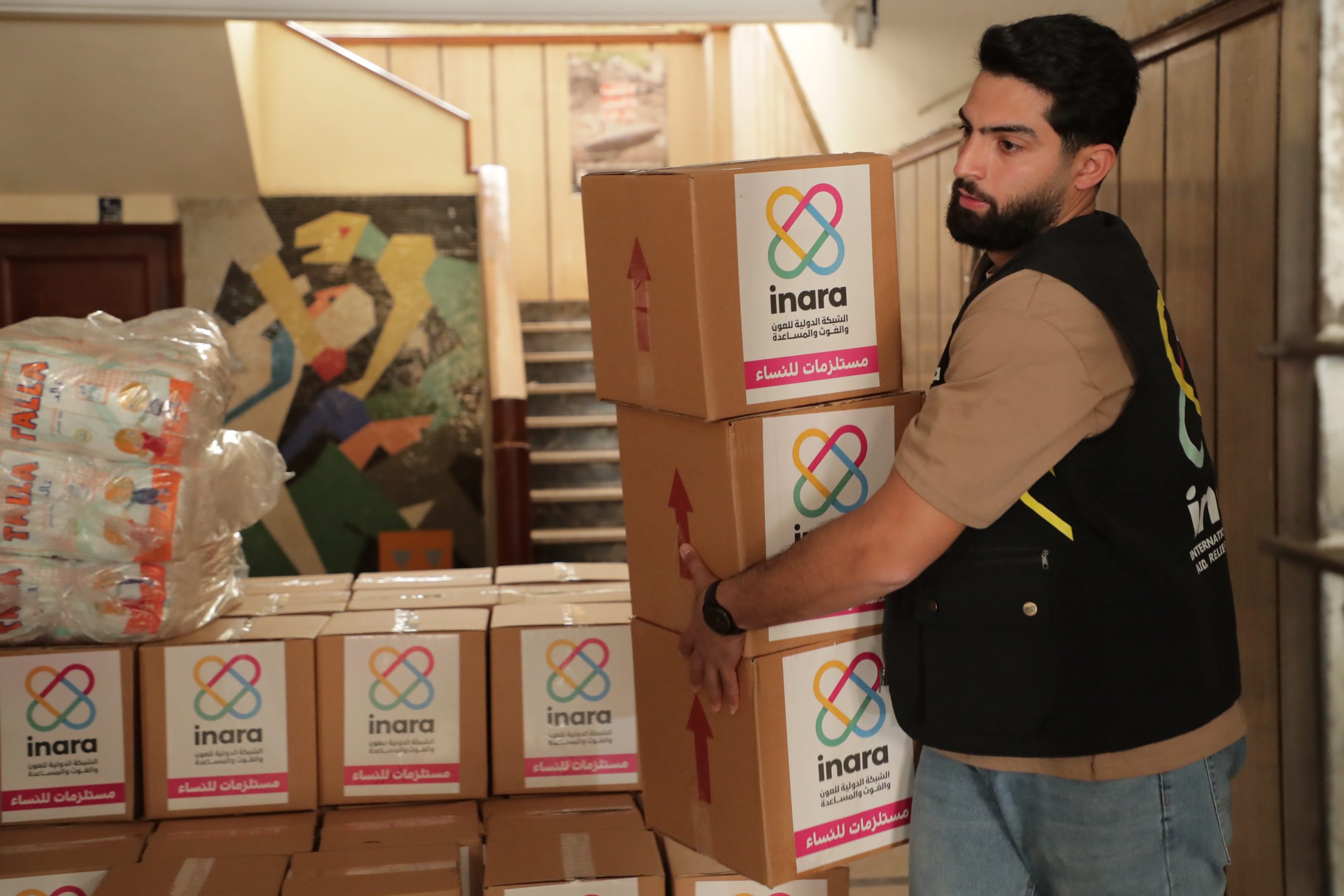
When a crisis strikes, we deploy immediate medical, psychosocial, food and non-food assistance. As the situation settles, we move from emergency relief into stabilization, so that help continues as families rebuild.
Why it matters
In the first hours and days of an emergency, families lose access to food, clean water, shelter and safe care all at once. Speed matters, and so does dignity. Meeting basic needs quickly lifts an immediate burden from families, protects health, and creates the stability needed before longer-term recovery can begin.
How we approach it
- Hot meals and food assistance to meet urgent hunger when families cannot cook or access markets.
- Dignity kits for women so that women and girls can maintain hygiene, privacy and dignity in displacement, needs that are often overlooked in emergencies.
- Hygiene and sanitation kits to reduce the spread of illness, particularly in crowded or temporary living conditions.
- Baby formula and diapers for the youngest children, whose needs are urgent and cannot wait.
- A pathway to stabilization, so that emergency aid leads into continued support rather than ending abruptly.
Strengthening the conditions for recovery
Alongside these four areas, our livelihood and economic empowerment work supports household stability, so that families can meet their own needs and children are not pulled out of school or care by financial pressure. Our WASH (water, sanitation and hygiene) interventions protect health and dignity, reducing preventable illness that can undermine every other form of treatment and support.
An approach built on continuity
No single intervention is enough on its own. A child’s wound, fear, schooling and household situation are connected, so our programs are too. Through coordinated case management, each child’s medical, psychosocial and educational needs are followed together, and support continues beyond the emergency itself.
Our programs fall into four areas, supported by livelihood and WASH interventions that strengthen the conditions children return to.
DONATE TO OUR PROGRAMS
There’s one really easy way to deliver real change, and that’s by setting up a monthly donation or making a one time contribution to INARA. They need us, and we need YOU.
Imad Bazzi
Director of Advocacy at INARA